LED Indirect Ophthalmoscope
Free!
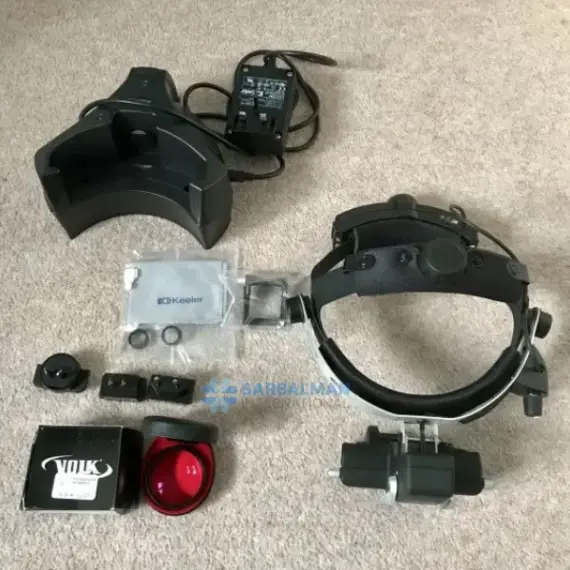
This LED indirect ophthalmoscope is a lightweight, head-mounted system for wide-field retinal examination. Bright, cool illumination and adjustable optics deliver a clear, stereoscopic view through small pupils and hazy media. Choose it for routine retina checks, pediatric exams, and mobile screening where comfort, reliability, and long service life matter. Faster setups, stable brightness, and practical filters help you spot pathology sooner and work efficiently all day.
Description
An LED indirect ophthalmoscope is a head-mounted binocular instrument used for wide-field examination of the retina. The bright, cool LED light and condensing optics allow a clear view through small pupils and media opacities, making it the preferred choice for peripheral retinal assessment, pediatric exams, and outreach camps. The clinician wears the lightweight headband, aligns the viewing optics, and uses a handheld condensing lens to obtain a stereoscopic, panoramic view of the fundus.
Key features and benefits:
• LED illumination: long service life, low heat, consistent brightness and color for comfortable, natural retinal rendering.
• Adjustable optics: interpupillary and headband adjustments, tilting mirror, and fine focus for fast, fatigue-free positioning.
• Spot control: variable aperture and brightness to tailor the beam for dilated or small pupils.
• Clinical filters: commonly includes red-free (green) and cobalt blue filters to enhance vessels, hemorrhages, and fluorescein patterns.
• Power options: rechargeable battery pack or belt clip power for uninterrupted clinics.
• Hygiene and durability: smooth, wipe-clean surfaces and robust hinges designed for daily use.
Common use cases:
• General ophthalmology and optometry: evaluation of retina, vitreous, optic disc, and peripheral lesions.
• Pediatric and neonatal care: cooperative and non-cooperative patients where wide field and mobility matter.
• Emergency and screening programs: triage for retinal tears, detachments, and diabetic changes in community settings.
• Teaching: hands-on training in binocular indirect ophthalmoscopy and scleral-depression techniques.
How it compares:
• Versus halogen or xenon models, LED units stay cooler, need fewer bulb changes, and provide stable output over time.
• Versus direct ophthalmoscopes, the indirect system delivers a wider field and better depth perception, particularly through hazy media.
• Versus tabletop cameras, it’s lighter, more affordable, and ideal when you need real-time, dynamic examination.
Quality notes:
• Look for smooth brightness control without color shift, precise optical alignment, and secure, evenly padded headbands.
• Check availability of filters, spare batteries, and service support.
• Ensure cleaning procedures align with your clinic’s infection-control protocols.
This instrument brings reliable, high-contrast visualization to everyday retinal work, helping clinicians make quick, confident decisions at the chairside or on the move.