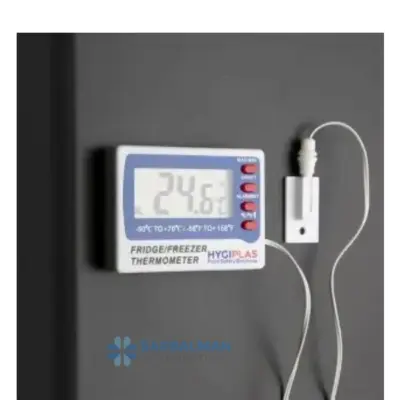

Blood Bank Refrigerator
Free!
A Blood Bank Refrigerator is a medical-grade cold storage unit designed to keep blood and blood components safely between 2°C and 6°C. With precise digital temperature control, uniform cooling, and continuous monitoring, it protects blood viability and reduces wastage. Built-in audible/visual alarms and safety alerts help staff respond quickly to temperature drift or power issues. Ideal for blood banks, hospitals and transfusion labs, it ensures dependable, regulated storage for lifesaving inventory.
Description
A Blood Bank Refrigerator is a purpose-built, medical-grade refrigeration system used for safe storage of whole blood, packed red cells and other blood components. Unlike standard lab or domestic refrigerators, it maintains a tightly controlled chamber temperature—typically in the 2°C to 6°C range—so blood remains viable and protected from temperature-related spoilage.
Key features and benefits include:
-
Microprocessor-based temperature control with clear digital display for stable, accurate cooling.
-
Uniform airflow cooling to keep every shelf at the same safe temperature, avoiding hot or cold zones.
-
Audible and visual high/low temperature alarms plus door-ajar alerts to safeguard stored units.
-
Continuous temperature recording or data-logging support for audits and cold-chain traceability.
-
Corrosion-resistant, easy-clean interior with adjustable or pre-label friendly shelving for organized blood-group storage.
-
Secure, lockable door design to prevent unauthorized access and reduce wastage.
These refrigerators are essential in hospital blood banks, transfusion services, emergency departments, and immunohematology or pathology labs. They store blood before issue, keep reserved units ready for surgeries, and help staff follow proper inventory rotation and expiry protocols.
Compared with ordinary medical refrigerators, blood bank refrigerators are engineered around transfusion safety requirements, offering tighter temperature tolerance, faster recovery after door openings, and stronger monitoring systems. For any facility handling blood products, they are a critical tool for safety, compliance, and reliable patient care.