Breast Pump.
Free!
Description
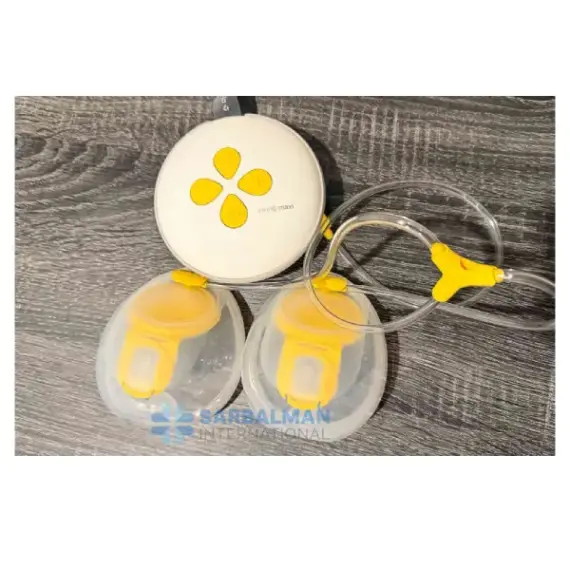
A breast pump is a personal care device that gently extracts breast milk so mothers can feed their baby even when they are resting, at work, or away from home. It supports comfort, helps manage fullness, and makes it easier to build a milk stash for caregivers. Modern pumps are designed to be easy to use and easy to clean, with parts that come into contact with milk made from food-contact safe materials.
Key features and benefits:
-
Adjustable suction for comfort and efficient milk flow
-
Soft, well-fitting breast shield to reduce pinching and improve let-down
-
Hygienic backflow protection to help keep milk and tubing separate
-
Simple assembly with smooth surfaces for quick cleaning
-
Lightweight, compact form for home, office, or travel
-
Clear markings on bottles or containers to track volume
Common use cases:
-
Daily pumping at work to maintain supply
-
Building a freezer stash for nights, babysitters, or travel days
-
Relieving engorgement and maintaining comfort between feeds
-
Supporting shared feeding routines with partners or caregivers
-
Exclusive pumping when direct nursing is not possible
How it compares:
-
Manual pumps are quiet, affordable, and ideal for occasional use.
-
Electric pumps offer consistent suction and are better for frequent or hands-free sessions.
-
Single pumps suit occasional needs; double pumps reduce session time and support supply.
Quality considerations:
-
Look for BPA-free, food-contact safe parts and a closed system that helps prevent milk from entering the tubing.
-
For electric models, low-noise operation and multiple modes can improve comfort.
-
Clear instructions and replaceable wear parts (valves, membranes, cushions) extend product life.
Notes on standards:
-
Breast pumps are generally treated as personal health devices. Many quality models align with regional safety and electrical standards and use biocompatible, food-contact safe materials. Always follow the cleaning and sterilization guidance provided with the product.