Laparoscopic Cannulas
Free!
Description
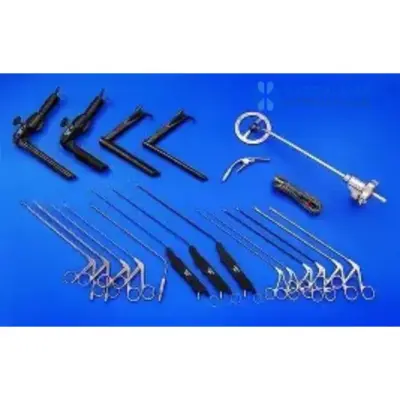
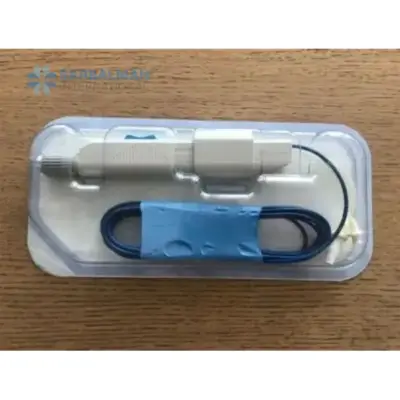
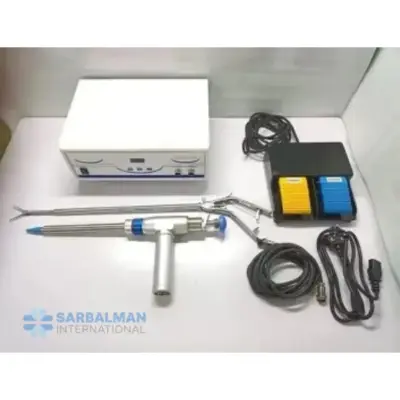
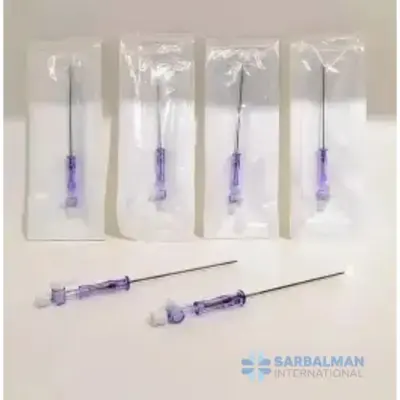
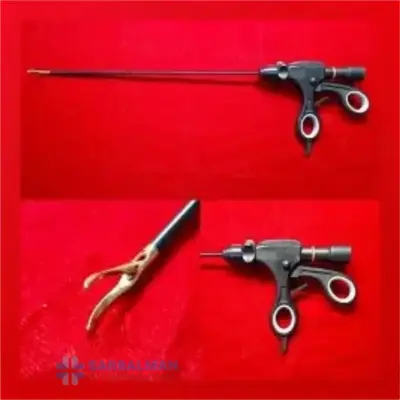
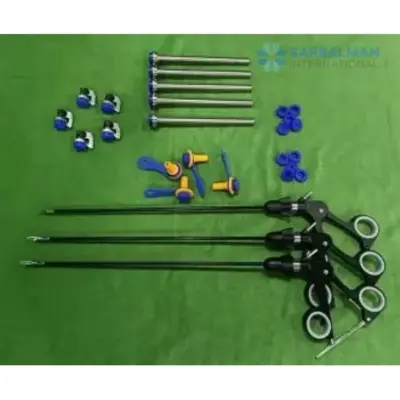
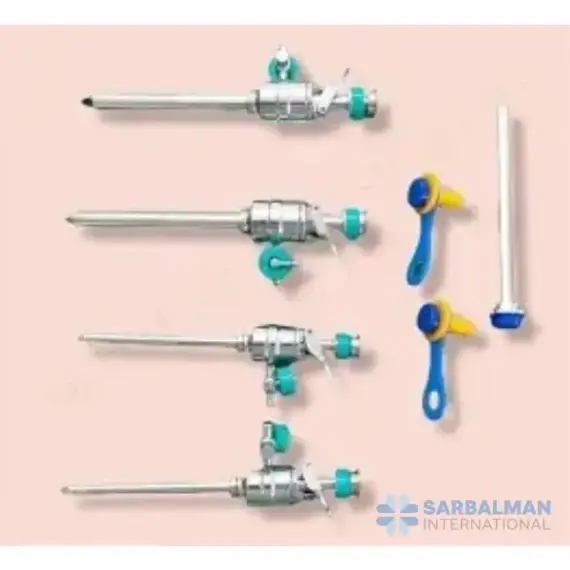
Laparoscopic cannulas are essential access ports used in minimally invasive surgery to introduce laparoscopes and instruments into the abdominal cavity. Each unit typically consists of a metal cannula tube with a valve housing and an obturator (trocar) used for initial entry. Once the trocar is removed, the cannula remains in place, maintaining pneumoperitoneum and providing a stable working channel for surgical instruments.
Key Features and Benefits
-
Secure access to the abdomen – Robust construction helps create and maintain reliable entry sites throughout the procedure.
-
Leak-resistant valve system – Silicone or mechanical seals minimise gas leakage while allowing smooth passage of instruments.
-
Integrated insufflation port – Many cannulas include a stopcock for CO₂ inflow, helping maintain a steady working space.
-
Multiple diameters and lengths – Common sizes (such as 5 mm, 10 mm and 12 mm) suit different instruments and patient profiles.
-
Interchangeable obturators – Sharp, blunt or pyramidal tips provide options for different entry techniques and surgeon preference.
-
Reusable, sterilizable design – Stainless steel bodies are built to withstand repeated cleaning and autoclaving, supporting cost efficiency.
Typical Uses and Applications
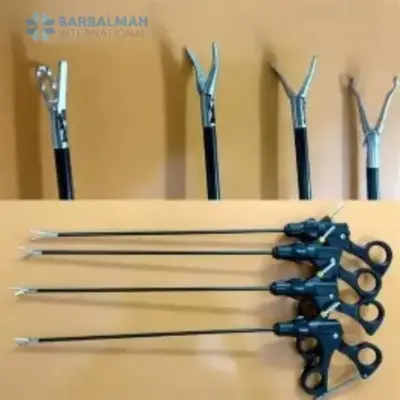
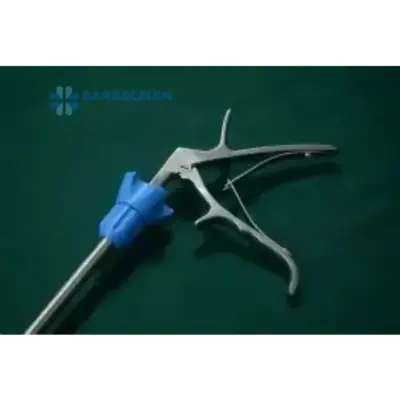
Laparoscopic cannulas are used in general surgery, gynecology, urology, bariatric and colorectal procedures. They create ports for the laparoscope, graspers, dissectors, clip applicators, staplers and energy devices in operations such as cholecystectomy, appendectomy, hernia repair, hysterectomy and diagnostic laparoscopy.
Compared with open surgical access, using well-engineered laparoscopic cannulas allows surgeons to work through small incisions while preserving a stable pneumoperitoneum. This helps reduce tissue trauma, postoperative pain and hospital stay, while providing the consistent instrument control required for safe, efficient minimally invasive surgery.