Liquid Waste Treatment System
Free!
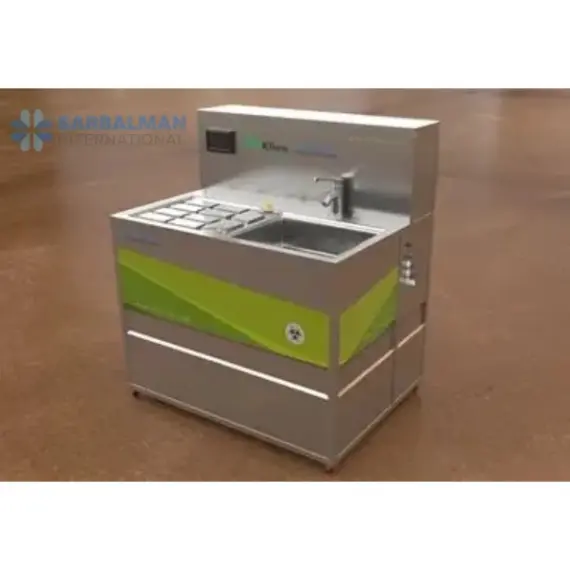
A Liquid Waste Treatment System safely collects and treats contaminated liquid waste from hospitals, labs, and clinical facilities before disposal. Designed for infection control and environmental safety, it typically uses multi-stage processes like disinfection, neutralization, and filtration to reduce biological and chemical hazards. By treating waste at the source, it lowers spill risk, protects staff, and supports cleaner, compliant liquid waste management in high-use medical settings.
Description
A Liquid Waste Treatment System is an engineered setup designed to collect, disinfect, and safely treat contaminated liquid waste before it is released into drainage or sent for further processing. In healthcare and laboratory environments, liquid waste can contain blood, body fluids, chemicals, pathogens, or drug residues. This system helps neutralize those risks by controlling the treatment process in a closed, hygienic, and compliant way.
Key features and benefits
-
Safe collection and containment: Dedicated tanks or chambers prevent spills and reduce staff exposure.
-
Multi-stage treatment: Systems commonly use a combination of chemical disinfection, pH neutralization, filtration, and/or thermal treatment to reduce biological and chemical hazards.
-
Odor and splash control: Sealed design supports cleaner work areas and better infection control.
-
Easy operation: Simple controls, clear indicators, and automated cycles help ensure consistent results.
-
Reduced environmental impact: Treating waste at the source minimizes contamination of public drainage systems.
-
Supports facility compliance: Helps hospitals and labs follow liquid biomedical waste handling practices without relying on manual disposal.
Common use cases and applications
Used in hospitals, diagnostic centers, pathology and microbiology labs, dialysis units, blood banks, veterinary clinics, and pharmaceutical or research facilities. It is especially important where high volumes of infectious or chemical liquid waste are generated daily.
Compared to basic disposal methods
Unlike direct drain disposal or manual chemical mixing, a dedicated treatment system provides controlled, repeatable processing with much lower risk of exposure, error, or environmental harm. It also improves workflow by centralizing liquid waste handling.