Umblical Cord Clamp
Free!
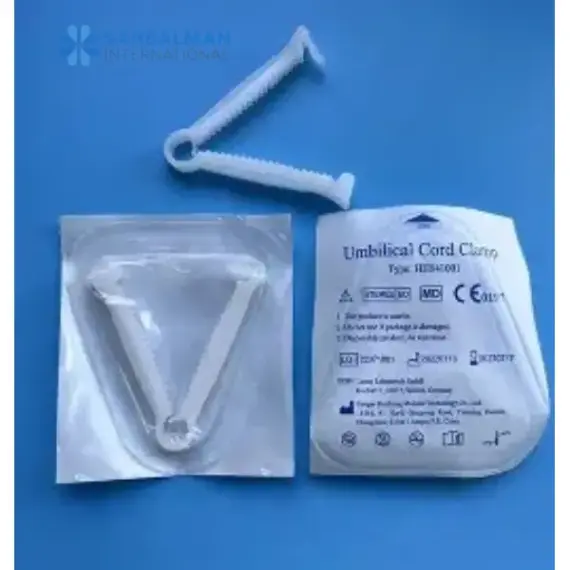
An Umbilical Cord Clamp is a sterile, disposable plastic clip used right after birth to close the newborn’s umbilical cord before cutting. Its secure click-lock and anti-slip grooves keep the cord sealed to prevent bleeding and support hygienic healing of the stump. Widely used in hospitals, clinics, and home-birth kits, it offers a faster, more dependable alternative to tying the cord with thread.
Description
An Umbilical Cord Clamp is a small, hand-held medical device used immediately after childbirth to safely close the baby’s umbilical cord before it is cut. By firmly occluding the cord vessels, it helps prevent bleeding and supports clean, hygienic separation of the newborn from the placenta. Most clamps are made from medical-grade, non-toxic plastic and supplied sterile for single use, making them a standard item in delivery rooms and newborn care kits.
Key features and benefits
-
Secure locking mechanism: A ratchet or click-lock design keeps the clamp firmly shut and helps prevent accidental reopening.
-
Grooved, anti-slip jaws: Textured inner surfaces grip the cord evenly, reducing the chance of slipping.
-
Ergonomic handling: Finger-grip design allows quick, confident placement even with gloved or wet hands.
-
Sterile, disposable packaging: Each clamp is typically individually packed to reduce infection risk and remove the need for re-sterilization.
Common use cases
Used in hospitals, maternity clinics, birthing centers, and home-birth kits by obstetricians, midwives, and trained birth attendants. It suits routine deliveries as well as emergency or field settings where fast, reliable cord control is essential.
How it compares
Compared with traditional cord ties or sutures, a clamp provides quicker application, consistent pressure, and a cleaner, more tamper-resistant closure. This reliability helps caregivers focus on immediate newborn care such as warming, drying, and initiating breastfeeding.
Many umbilical cord clamps available today are produced under recognized medical-device quality systems (such as ISO 13485) and are often designed to meet international safety and performance expectations for neonatal use.