Laparoscopic Bipolar Forceps
Free!
Laparoscopic bipolar forceps are minimally invasive surgical instruments used to grasp tissue and seal blood vessels with controlled bipolar energy. Their insulated shaft, slim profile and ergonomic handle allow surgeons to work precisely through small laparoscopic ports, reducing bleeding and protecting nearby structures. Ideal for general, gynaecologic and urologic procedures, they support safer haemostasis, fewer instrument changes and smoother, more efficient operations.
Description
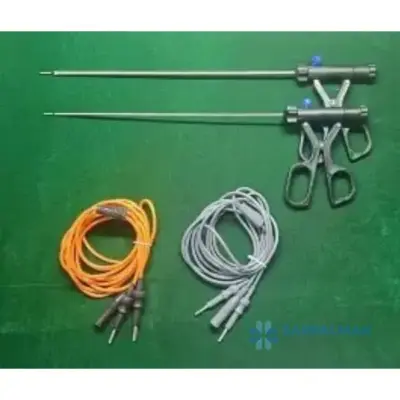
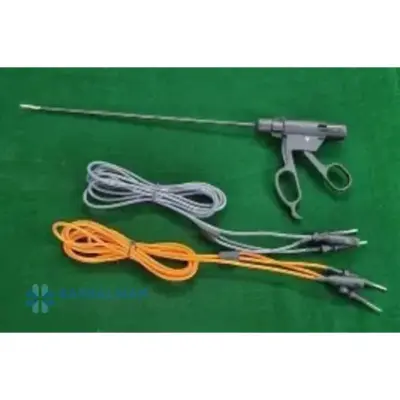
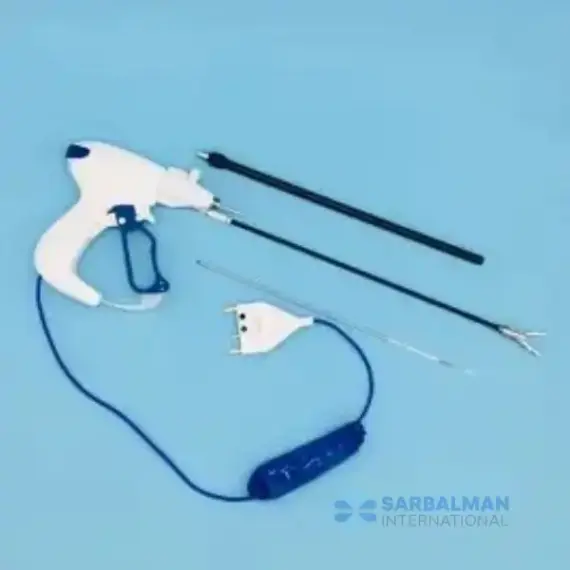
Laparoscopic bipolar forceps are specialized minimally invasive surgical instruments used to grasp, coagulate and cut tissue during laparoscopic procedures. They connect to an electrosurgical unit and deliver bipolar energy only between the two jaws of the forceps, allowing precise coagulation of blood vessels with reduced lateral thermal spread compared to monopolar instruments. This helps surgeons control bleeding while protecting surrounding organs and structures.
Typically featuring a long, insulated shaft and a slim 5–10 mm profile, these forceps are designed to pass through standard laparoscopic ports. The ergonomic pistol-style handle gives the surgeon precise control, while the jaws are shaped to provide secure yet atraumatic grasping of tissue. Some designs include rotation for easier access to difficult angles, as well as integrated cutting or dissecting tips to reduce the need for multiple instruments.
Key features and benefits:
Precise bipolar coagulation for reliable haemostasis
Reduced risk of unintended tissue damage compared with monopolar tools
Long, insulated shaft for safe use inside the abdominal cavity
Atraumatic jaws to hold tissue firmly without excessive crushing
Lightweight, ergonomic handle to reduce surgeon fatigue
Compatible with standard laparoscopic ports and electrosurgical units
Laparoscopic bipolar forceps are widely used in general surgery, gynaecology, urology, bariatric surgery and many other minimally invasive procedures where safe vessel sealing and tissue handling are required. Compared with traditional open-surgery instruments, they support smaller incisions, less post-operative pain and faster recovery for patients.
Manufacturers typically design these instruments in line with accepted medical device quality systems and hospital sterilization protocols, making them a dependable choice for operating theatres that prioritise safety, efficiency and consistent surgical outcomes.