Laparoscopic Retractor
Free!
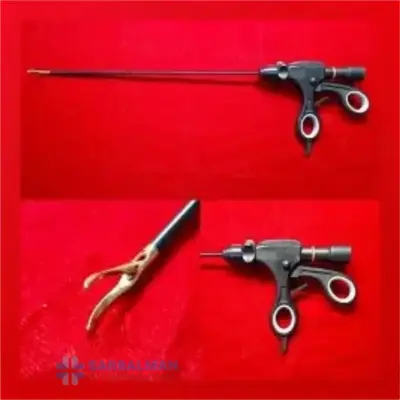
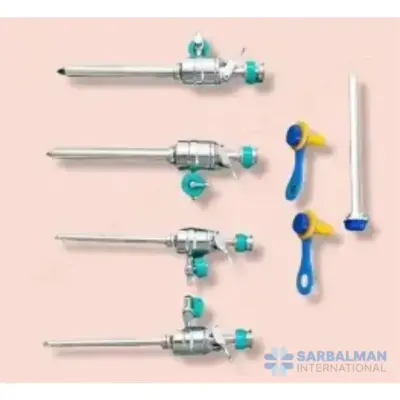
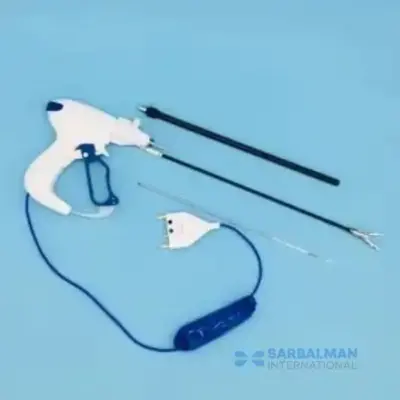
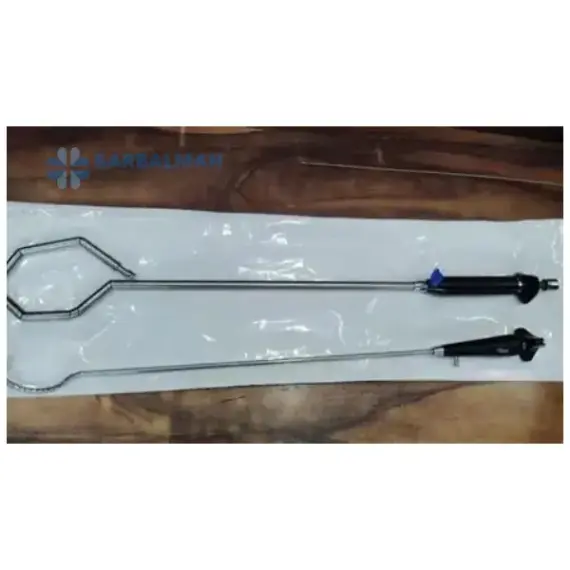
A laparoscopic retractor is a long, slim instrument used during keyhole surgery to gently lift and hold organs or tissue, creating a clear working space for the surgeon. Inserted through a trocar, its articulating end opens inside the abdomen to provide stable, hands-free exposure. Hospitals choose laparoscopic retractors to improve visibility, reduce the need for extra assistants and maintain the full benefits of minimally invasive surgery for their patients.
Description
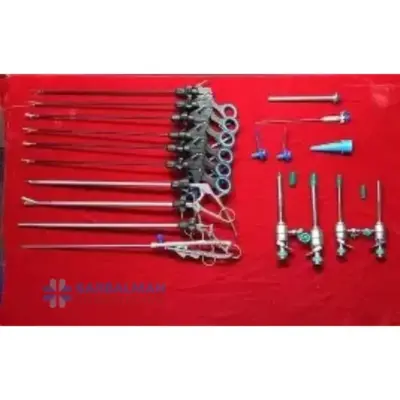
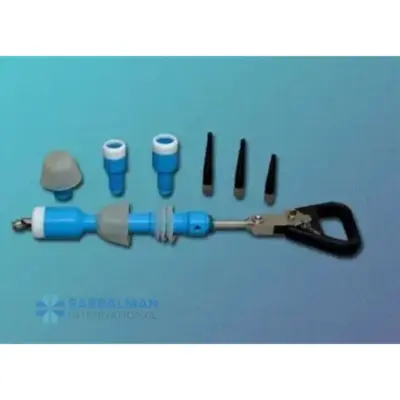
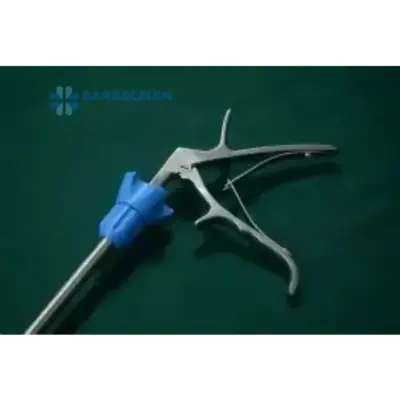
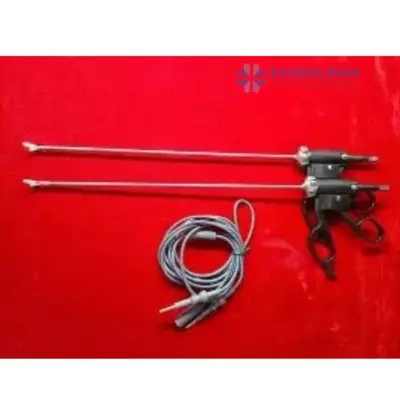
A laparoscopic retractor is a specialised instrument designed to provide reliable, atraumatic exposure during minimally invasive surgery. It consists of a narrow shaft that passes through a trocar port and an expandable end—such as a fan, ring or blade configuration—that opens inside the abdomen to elevate or hold organs out of the operative field. The proximal handle allows precise positioning and secure locking so tissues remain retracted while the surgeon works.
Key Features and Benefits
-
Long, slim shaft compatible with standard laparoscopic ports, preserving small incision size.
-
Articulating or expandable tip (fan, ring or blade) that spreads load over a wide surface, minimising pressure injury to organs.
-
Stable locking mechanism to maintain retraction without continuous manual effort, freeing the surgeon or assistant’s hands.
-
Ergonomic handle design for comfortable, fine control when inserting, opening and adjusting the retractor.
-
Surgical-grade construction in stainless steel or equivalent materials, suitable for repeated cleaning and sterilisation according to hospital protocols.
-
Smooth edges and atraumatic surfaces to reduce trauma and bleeding while still providing firm support.
Common Uses and Applications
-
General laparoscopic surgery: Elevating the liver, stomach, bowel or omentum during cholecystectomy, hernia repair or upper GI procedures.
-
Gynaecology: Retracting uterus, ovaries or surrounding structures in hysterectomy and myomectomy.
-
Bariatric surgery: Maintaining exposure of the upper abdomen during gastric bypass or sleeve gastrectomy.
-
Urology and colorectal surgery: Holding organs aside to protect delicate structures and improve visibility.
Comparison with Alternative Techniques
Compared with relying solely on grasping forceps for retraction, a dedicated laparoscopic retractor distributes force more evenly and offers more stable, hands-free exposure. This can shorten operative time and reduce fatigue for the surgical team. Unlike open retractors, which require a large incision, laparoscopic retractors preserve minimally invasive access, helping patients experience less post-operative pain, smaller scars and quicker recovery.
Quality and Functional Significance
High-quality laparoscopic retractors are engineered to maintain precise movement and secure locking over many sterilisation cycles, making them a dependable asset in the operating room. By ensuring consistent, atraumatic retraction, they support safer procedures, clearer visualisation and smoother surgical workflow. For any facility committed to advanced minimally invasive surgery, a robust laparoscopic retractor is an indispensable part of the core instrument set.