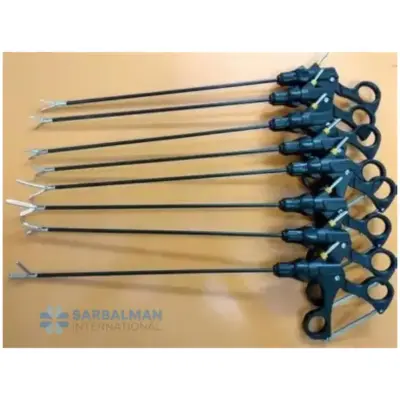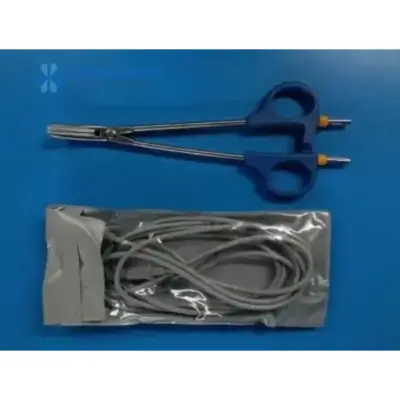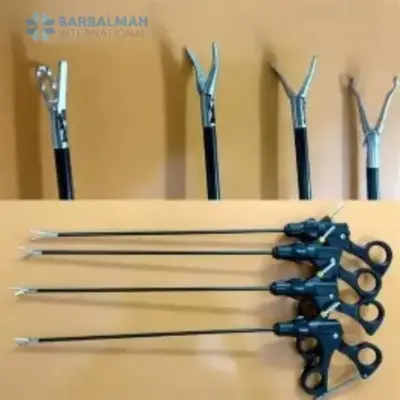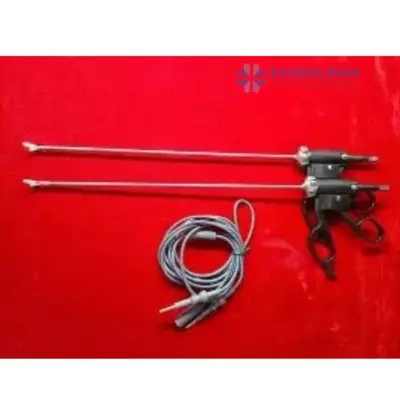
Laparoscopes
Free!
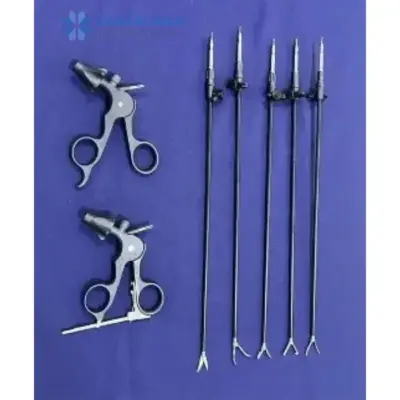
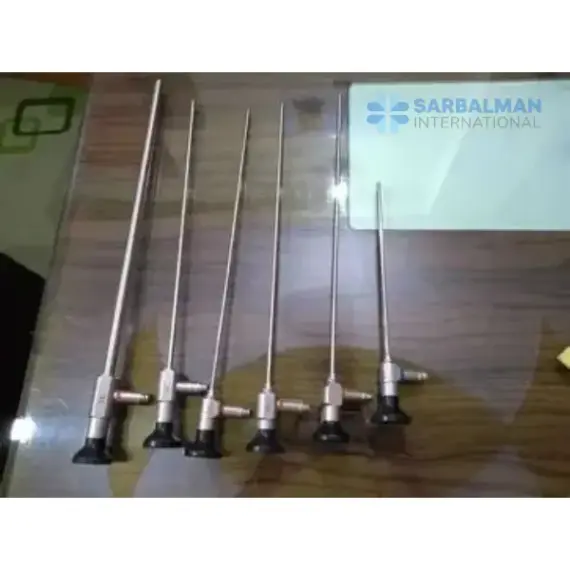
Laparoscopes are rigid optical instruments used in minimally invasive surgery to provide a bright, magnified view of the abdominal and pelvic organs through small incisions. Connected to a camera and light source, they guide surgeons during diagnostic and operative procedures. With durable construction, clear imaging and compatibility with standard laparoscopic systems, they help reduce incision size, support precise surgery and improve patient recovery and comfort.
Description
Laparoscopes are high-precision optical instruments used to visualise the abdominal and pelvic cavities during minimally invasive surgery. Each laparoscope consists of a long, rigid tube with a sophisticated lens system, an eyepiece or camera connection, and a light connector for powerful, cool illumination. When introduced through a small trocar incision, the laparoscope provides a clear, magnified view of internal organs on the monitor, allowing surgeons to perform complex procedures through tiny cuts instead of large open incisions.
Key Features and Benefits
-
High-quality optics for bright, sharp and distortion-free images that support accurate diagnosis and precise surgical movements.
-
Rigid stainless steel construction for durability, long service life and resistance to repeated sterilisation.
-
Range of diameters and lengths to suit different patient profiles and surgical specialties.
-
Multiple viewing angles (such as straight and angled options) to reach difficult areas and improve visibility around organs and structures.
-
Universal compatibility with standard laparoscopic cameras, light cables and trocars, helping integrate easily into existing setups.
Typical Applications
Laparoscopes are used across general surgery, gynecology, urology, bariatric surgery and many other specialties. Common procedures include cholecystectomy, appendectomy, hernia repair, diagnostic laparoscopy, ovarian cystectomy and endometriosis surgery. By providing a stable, magnified view, laparoscopes enable surgeons to operate with smaller incisions, reduced blood loss, less postoperative pain and faster recovery for patients.
Why choose quality laparoscopes?
Compared with low-grade optical instruments, well-engineered laparoscopes maintain clarity and alignment over time, even after many sterilisation cycles. This reliability is crucial for consistent image quality, smoother surgery and better overall outcomes. For hospitals, surgical centres and clinics that perform regular minimally invasive procedures, investing in dependable laparoscopes strengthens both clinical performance and patient satisfaction.