Autoclavable and Specialized Waste Bags
Free!
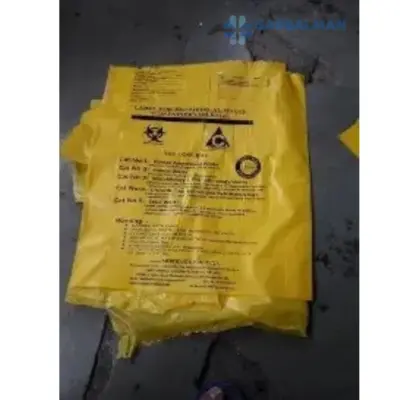
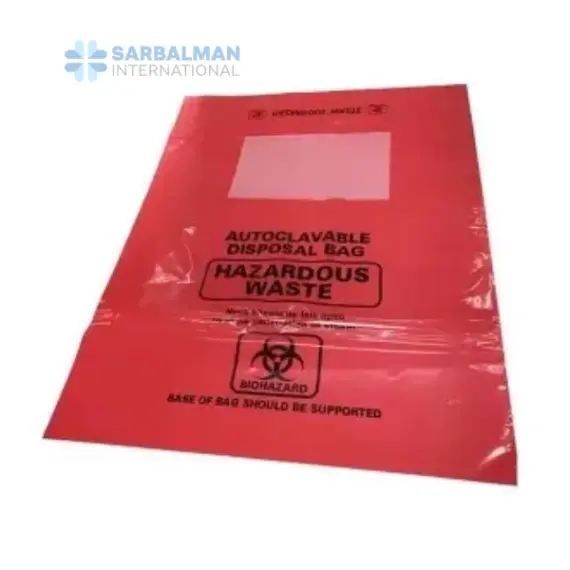
Autoclavable and Specialized Waste Bags are heat-resistant biomedical disposal bags used to collect infectious or regulated clinical waste and sterilize it safely in an autoclave before final disposal. Built from tough medical-grade polymers with strong seals and clear biohazard marking, they reduce leaks, needle-stick exposure, and contamination risks. Ideal for hospitals, labs, and diagnostic centers that need reliable, compliant infectious-waste handling.
Description
Autoclavable and Specialized Waste Bags are heavy-duty biomedical disposal bags designed to safely contain infectious or high-risk clinical waste and withstand sterilization before final disposal. Made from heat-resistant medical-grade polymers (commonly polypropylene or high-temperature polyethylene blends), these bags remain stable during standard steam autoclave cycles, allowing facilities to inactivate pathogens inside the sealed bag itself. This reduces handling risks, improves infection control, and supports compliant waste management.
Key features and benefits
-
Autoclave-safe construction: Built to tolerate high heat and pressure without melting, tearing, or leaking during sterilization.
-
Puncture and tear resistance: Thicker film and strong seals help prevent spills from wet waste or sharp-edged disposables.
-
Biohazard identification: Typically printed with clear hazard symbols and handling instructions for safer segregation.
-
Secure closure options: Tie-tops or strong sealing areas reduce exposure during transport.
-
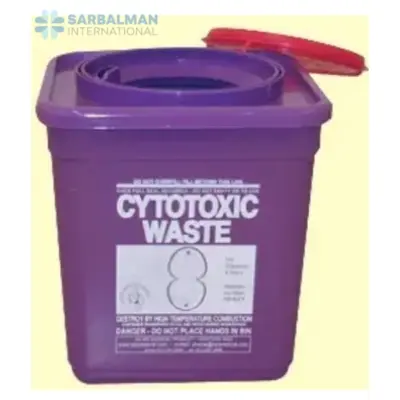
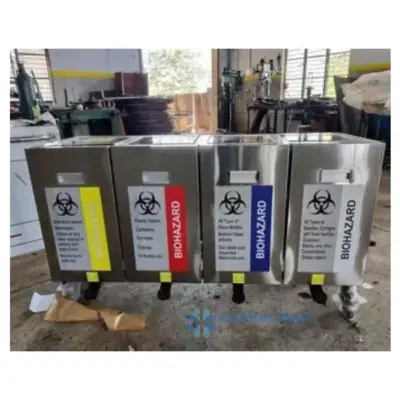
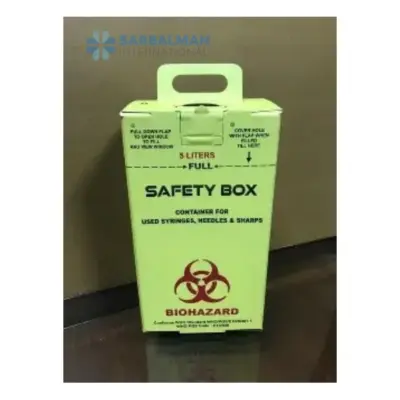
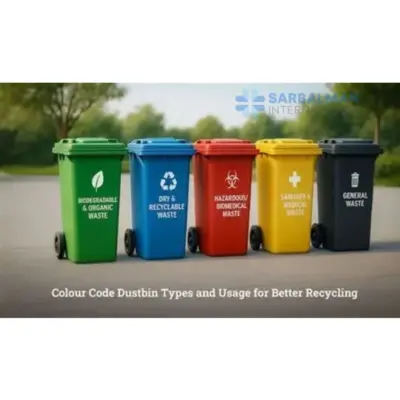
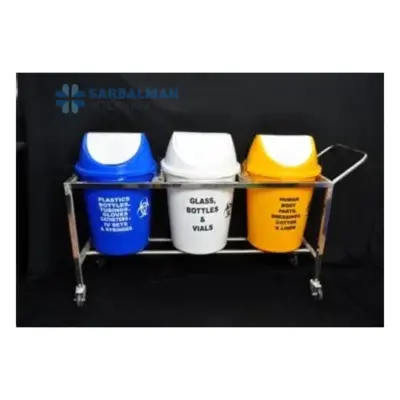
Multiple formats and colors: Specialized variants support separation of infectious waste, soiled items, laboratory disposables, and other regulated categories according to common color-coding practices.
Common use cases
Used in hospitals, laboratories, diagnostic centers, blood banks, dialysis units, veterinary clinics, and research facilities for autoclaving contaminated plastics, cultures, dressings, tubing, and other infectious materials.
Compared to regular waste bags
Unlike standard bags, autoclavable and specialized bags are engineered for sterilization and high-risk containment. Regular bags can soften, rupture, or leak under autoclave conditions, while these remain intact to keep waste sealed and safer for staff and the environment.