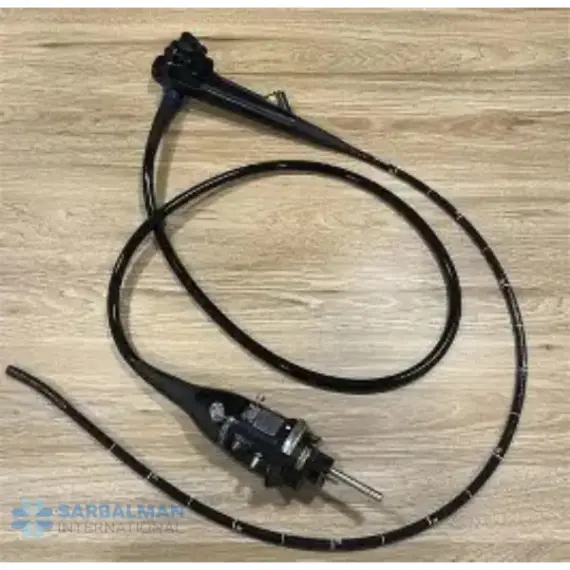
Hysteroscope
Free!
Description
A hysteroscope is a slender, lighted endoscopic device that allows direct visualization of the cervical canal and uterine cavity. Inserted through the cervix, it gives a magnified, well-illuminated view of the endometrium so clinicians can spot abnormalities that may not appear clearly on imaging alone. Hysteroscopes are used for both diagnostic hysteroscopy and operative hysteroscopy, enabling doctors to confirm a diagnosis and, when needed, treat it in the same minimally invasive session.
Key features and benefits:
-
Rigid or flexible designs: Rigid scopes are common in surgical settings, while flexible/mini scopes are often preferred for office procedures and patient comfort.
-
High-clarity optics with bright illumination: Supports accurate assessment of tissue patterns and lesions.
-
Distension-friendly sheath system: Inflow/outflow channels allow uterine distension with fluid for a clear field of view.
-
Operative working channel (model-dependent): Lets clinicians introduce micro-instruments for biopsy or removal of pathology.
-
Sterilization-ready build: Made for repeated clinical use under standard hospital infection-control routines.
Common applications:
-
Investigating abnormal uterine bleeding or post-menopausal spotting
-
Detecting and treating polyps, submucosal fibroids, adhesions, or uterine septum
-
Evaluating infertility or recurrent miscarriage cases
-
Checking for retained tissue or congenital uterine anomalies
Compared with blind procedures such as traditional dilation and curettage, hysteroscopy allows targeted, visual treatment, improves diagnostic confidence, and reduces unnecessary tissue removal. It also helps avoid open surgery in many cases, offering quicker recovery and better patient comfort.