Pharmaceutical and Cytotoxic Waste Solution
Free!
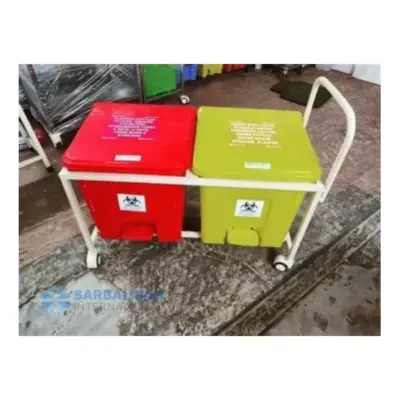
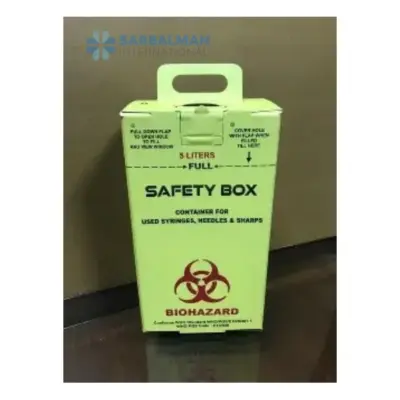
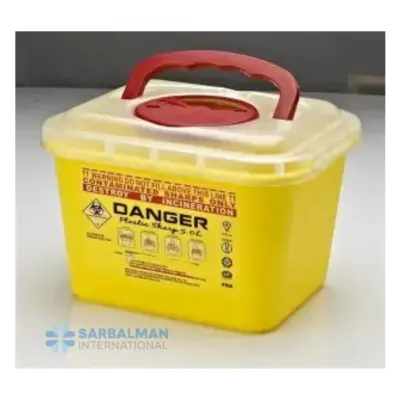
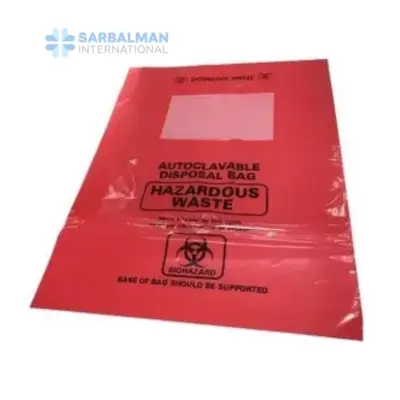
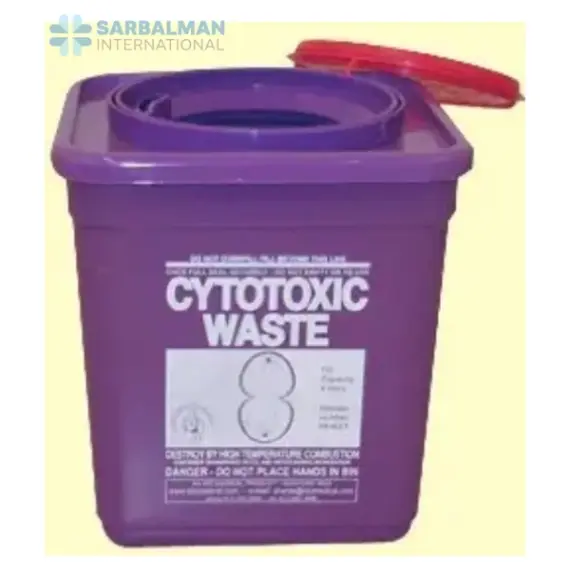
A Pharmaceutical and Cytotoxic Waste Solution provides secure, color-coded containers for disposing hazardous and non-hazardous medicine waste, including chemotherapy-related drugs. It prevents mixing of drug waste with general trash, reducing exposure risks and ensuring safe segregation from the moment of disposal. With leak-proof construction, secure locking lids, and clear labeling, it’s ideal for oncology units, pharmacies, labs, and hospitals seeking safer, compliant medical waste handling.
Description
A Pharmaceutical and Cytotoxic Waste Solution is a dedicated system for safely collecting and disposing of expired, unused, or contaminated medicines—especially hazardous drug waste such as cytotoxic or cytostatic (chemotherapy-related) materials. In hospitals and clinical settings, this waste cannot be mixed with general trash. It requires clearly identified, secure containers and a controlled disposal pathway to protect staff, patients, and the environment.
Key features and benefits:
-
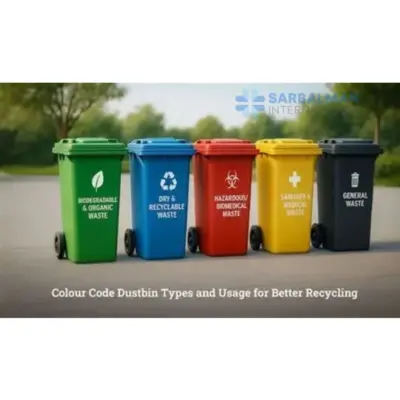
Color-coded, clearly labeled containers: Helps staff segregate hazardous pharmaceutical waste at the point of use, reducing handling errors.
-
Leak-proof, tamper-resistant design: Prevents spills, exposure, and unauthorized access to high-risk drug waste.
-
Secure lids with final-lock option: Allows safe daily use and permanent sealing for transport to treatment facilities.
-
Durable, easy-to-sanitize build: Withstands routine disinfection and heavy hospital workflows.
-
Supports safe final treatment: Designed for waste streams that typically require controlled high-temperature destruction.
Common use cases and applications:
-
Oncology wards, chemotherapy day-care units, and cancer centers
-
Hospital pharmacies and medication disposal stations
-
Operating rooms, ICUs, emergency units, and laboratories
-
Clinics and vaccination or outreach programs handling drug waste
Compared to standard biomedical bins, this solution is purpose-built for drug hazards, making segregation clearer and reducing the risk of accidental reuse, contamination, or regulatory non-compliance. It’s a vital part of modern hospital waste management, ensuring safer workplaces and responsible disposal of high-risk pharmaceuticals.