Fetal Doppler
Free!
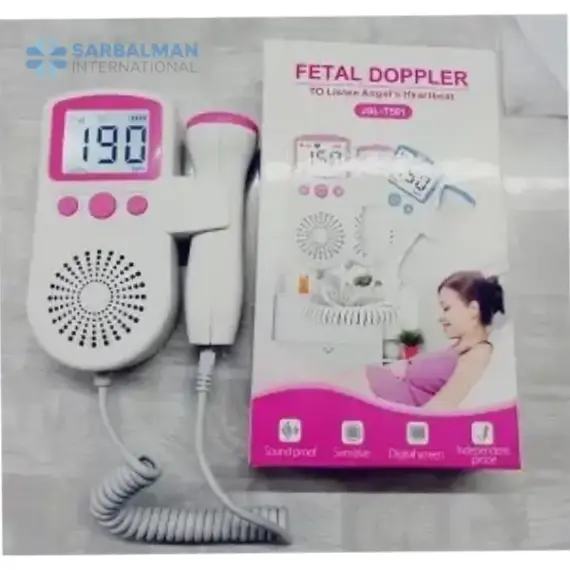
A Fetal Doppler is a compact ultrasound monitor used to hear and measure a baby’s heartbeat during pregnancy. It converts fetal heart movement into clear sound and, on many models, a quick digital heart-rate reading. Common in antenatal checkups, high-risk monitoring, and spot checks during labor, it gives clinicians a fast, portable, and reassuring way to assess fetal wellbeing in clinics, hospitals, or outreach settings.
Description
A Fetal Doppler is a handheld ultrasound device used to detect and monitor a baby’s heartbeat during pregnancy and, in some settings, early labor. Using Doppler sound-wave technology, it picks up fetal heart motion and converts it into clear audio and/or a digital heart-rate reading. This helps clinicians confirm fetal wellbeing, track changes over time, and provide reassurance during routine checkups.
Key features and benefits:
-
Sensitive obstetric probe: Designed to pick up fetal heart tones clearly; most clinical models use low-frequency probes commonly in the 2–3 MHz range for fetal monitoring.
-
Audio output: Built-in speaker or headphone port lets caregivers hear the heartbeat easily.
-
Digital heart-rate display (model-dependent): Offers a quick beats-per-minute reading without manual counting. Portable and simple to operate: Lightweight body, intuitive controls, and battery operation support fast bedside or field use.
-
Clinical hygiene and durability: Smooth, cleanable surfaces and reusable construction suited to standard disinfection routines; many devices are manufactured under medical-device quality systems and tested to medical electrical-safety standards.
Common applications:
-
Intermittent fetal heart checks during antenatal visits
-
Monitoring in high-risk pregnancies where frequent heart-tone assessment is helpful
-
Quick spot checks in labor wards between continuous monitoring sessions
-
Community and rural maternal-care programs needing reliable portable monitoring
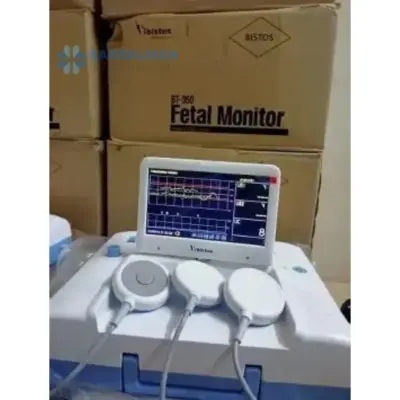
Compared with a traditional fetal stethoscope, a Doppler can work earlier for many patients, gives louder, more consistent sound, and often provides a numeric rate. Compared with full cardiotocography systems, it’s more compact and cost-efficient for intermittent monitoring, while CTG is used for continuous labor tracking. Overall, a Fetal Doppler is a practical, everyday tool in maternity care that balances accuracy, convenience, and patient reassurance.